Fasting Insulin in Cyclists: Why 2.0 vs 8.0 μU/mL Changes Everything for Fat Burning, Endurance & Performance
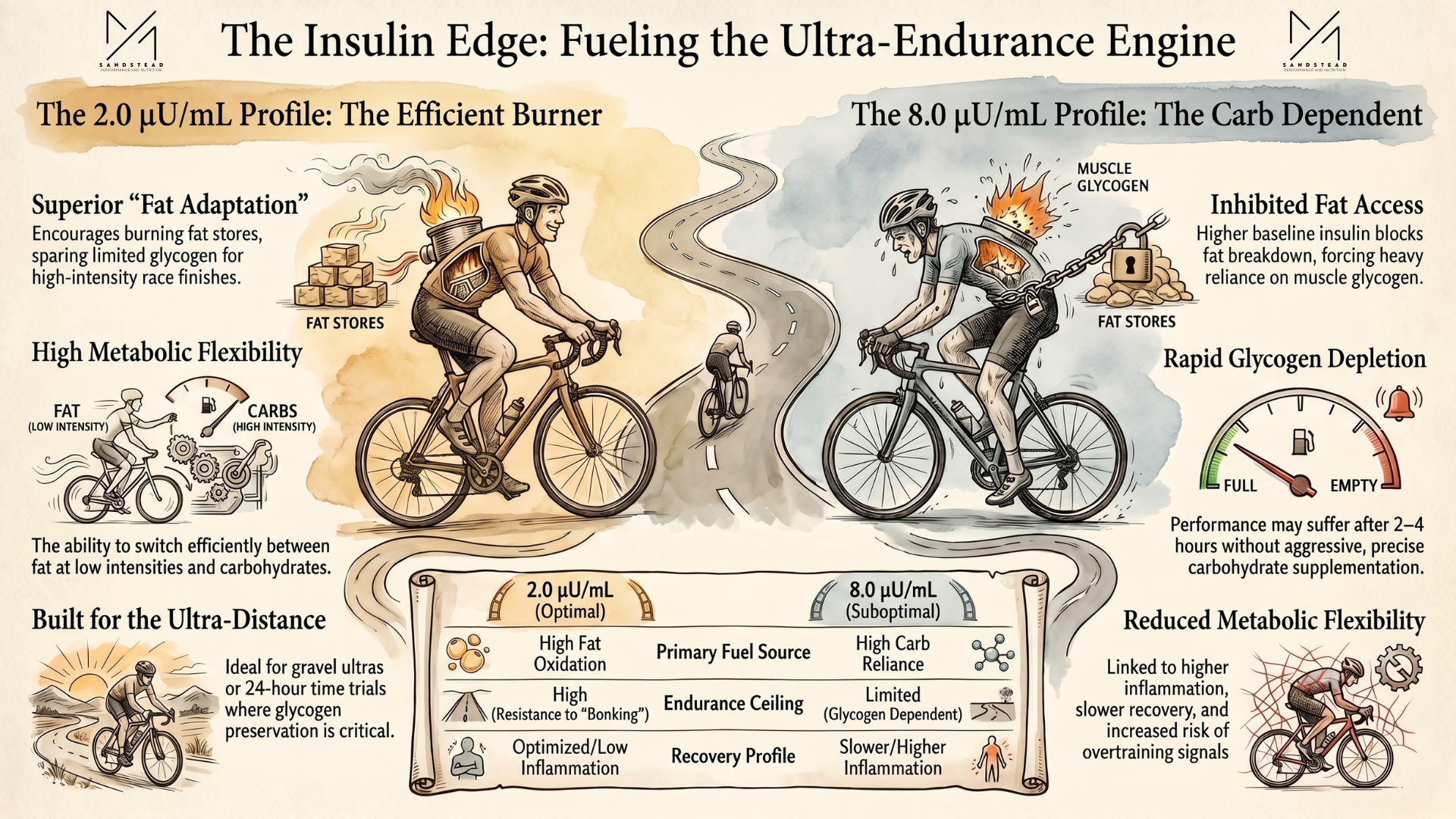
In the world of ultra-endurance cycling, small differences in blood markers can separate good performances from podiums and bonks. One of the most underappreciated metrics is fasting insulin. A cyclist with a fasting insulin of 2.0 μU/mL operates in a fundamentally different metabolic state than one at 8.0 μU/mL—especially when it comes to substrate utilization (how your body chooses between fat and carbohydrate as fuel).
This post breaks down the real-world implications for endurance athletes training 15–30+ hours per week, prepping for events like 24-hour time trials, RAAM, gravel ultras, or multi-day adventures.
Understanding Substrate Utilization in Cycling
During exercise, your body burns a mix of fats and carbohydrates. The balance depends on intensity, training status, nutrition, and—critically—insulin levels.
Low insulin environments promote lipolysis (fat breakdown) and fat oxidation.
Higher insulin suppresses fat release and pushes greater reliance on glycogen and blood glucose.
Fasting insulin reflects your baseline insulin sensitivity. Lower values (around 2.0) signal excellent sensitivity and metabolic flexibility. Values around 8.0 fall in the upper “normal” range for many labs but often indicate mild resistance, especially in high-volume athletes.
Athlete A (Fasting Insulin 2.0) vs. Athlete B (Fasting Insulin 8.0): Head-to-Head Comparison
1. Fat Oxidation Capacity (Zone 2 & Long Efforts)
Athlete A (2.0): Superior fat mobilization and oxidation, even at moderate intensities. Peaks fat oxidation (MFO) rates are higher, allowing sustained power output with less glycogen use. Ideal for 8–24+ hour rides where sparing carbs prevents bonking.
Athlete B (8.0): Insulin more readily suppresses lipolysis, leading to earlier and greater carbohydrate dependence. Lower peak fat oxidation, which can limit performance in ultra events unless carbs are constantly topped up.
2. Glycogen Sparing & Bonk Resistance
Athlete A: Excellent glycogen sparing during low-to-moderate efforts. Can ride longer in a fasted or low-carb state while maintaining steady power. Faster return to fat-burning after high-intensity surges.
Athlete B: Faster glycogen depletion, especially on long trainer sessions or climbs. Higher risk of hitting the wall in events lasting >3–4 hours without aggressive fueling (60–90g carbs/hour or more).
3. Metabolic Flexibility
Athlete A: Switches seamlessly between fat (fasted/Zone 2) and carbs (high-intensity efforts or race finishes). Supports better recovery, stable energy, and lower inflammation.
Athlete B: More “carb-locked.” Reduced flexibility can contribute to higher perceived effort, slower recovery, and greater overtraining risk in high-volume programs.
4. Fueling Strategy & Daily Nutrition Needs
Athlete A: Thrives with strategic low-GI carbs (steel-cut oats, sweet potatoes, quinoa) and can perform well with lower exogenous carb intake during Zone 2 work. Post-ride recovery (e.g., whey + blueberries) efficiently replenishes without massive insulin spikes.
Athlete B: Often needs more precise, higher carb fueling to maintain output. Chronic higher intake can perpetuate elevated insulin, creating a feedback loop that further impairs fat adaptation.
5. Recovery, Health & Long-Term Performance
Athlete A: Better aligned with optimal athlete ranges for thyroid, inflammation (hs-CRP), and body composition. Supports HRV recovery, lower chronic stress, and longevity goals in masters/ultra cycling.
Athlete B: May experience subtle signs of metabolic strain—slower HRV rebound, higher inflammation risk, and challenges optimizing power-to-weight or aerobic efficiency (EF) in tools like WKO5.
6. Training Adaptations Both athletes benefit from polarized training, low-cadence torque work, and Zone 2 volume. However:
Athlete A adapts faster to fat-oxidation protocols (fasted rides, train-low strategies).
Athlete B may need more time and targeted interventions (improved sleep, stress management, omega-3 optimization, etc.) to shift the metabolic profile.
Practical Takeaways for Cyclists & Coaches
Test It: Include fasting insulin (plus HOMA-IR, fasting glucose, HbA1c) in your functional medicine bloodwork panel. Pair with indirect calorimetry or field testing (RER via power meter/HR data) for personalized substrate insights.
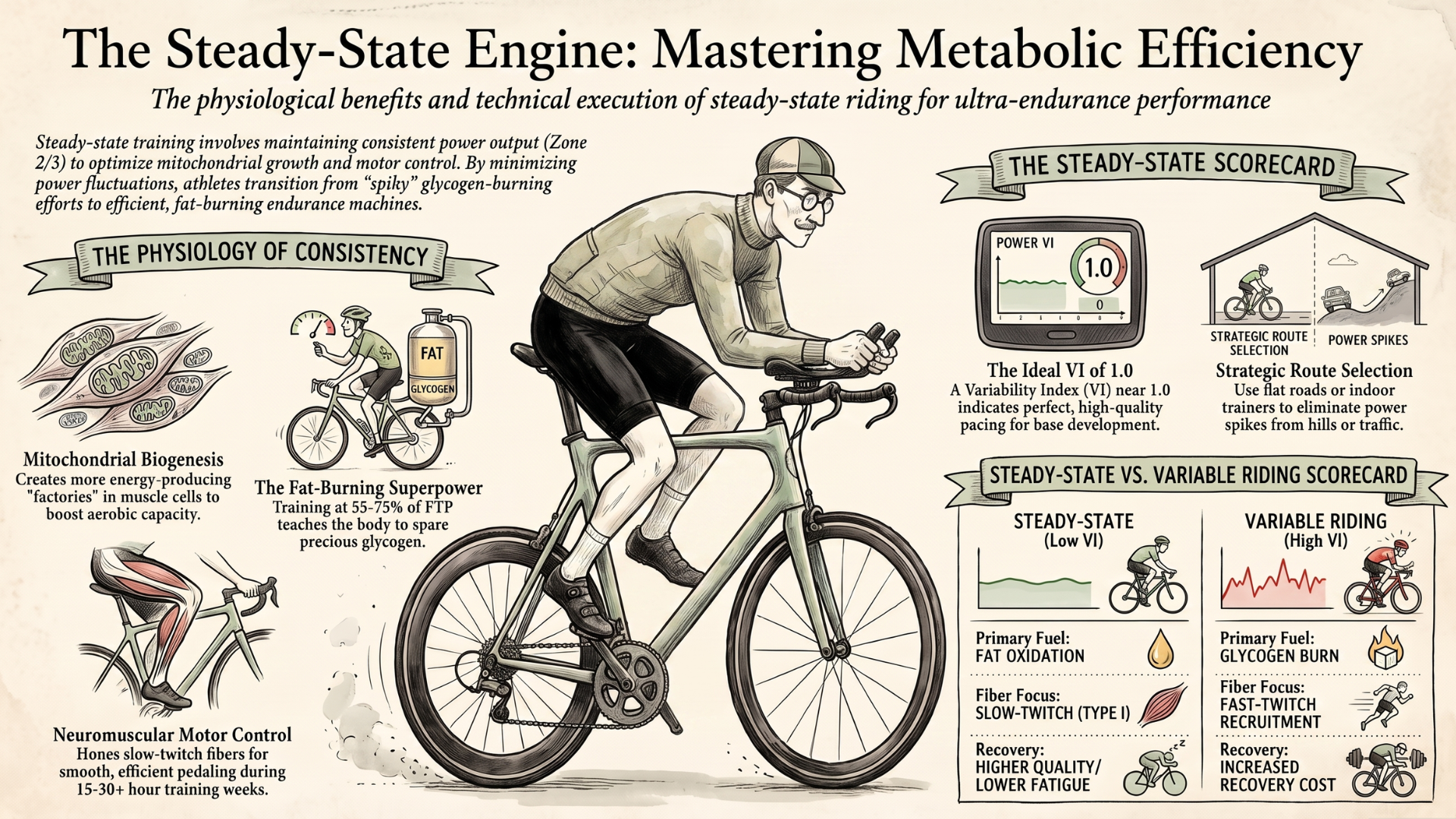
Optimize Toward 2.0: Prioritize Zone 2 volume, occasional fasted/low-glycogen sessions (recovery permitting), low-GI carb choices, quality sleep, HRV monitoring, and addressing thyroid/omega-3 status. Strength training and heat acclimatization also help.
Individual Context Matters: Genetics, training history, body composition, and acute factors (recent high-carb days, stress) all influence results. An 8.0 isn’t “bad,” but moving lower often unlocks noticeable endurance gains.
Conclusion: Small Number, Big Performance Edge
For ultra cyclists chasing 1,000-hour training years, RAAM qualification, or simply lifelong performance, a fasting insulin near 2.0 μU/mL provides a clear metabolic advantage in substrate utilization, fat adaptation, and resilience. Athlete B at 8.0 can still train and race successfully—but will likely need tighter fueling strategies and more recovery focus to match the efficiency of Athlete A.
If you’re a data-driven cyclist or coach, tracking and optimizing fasting insulin is one of the highest-ROI levers available. What does your latest bloodwork show?

template stuff
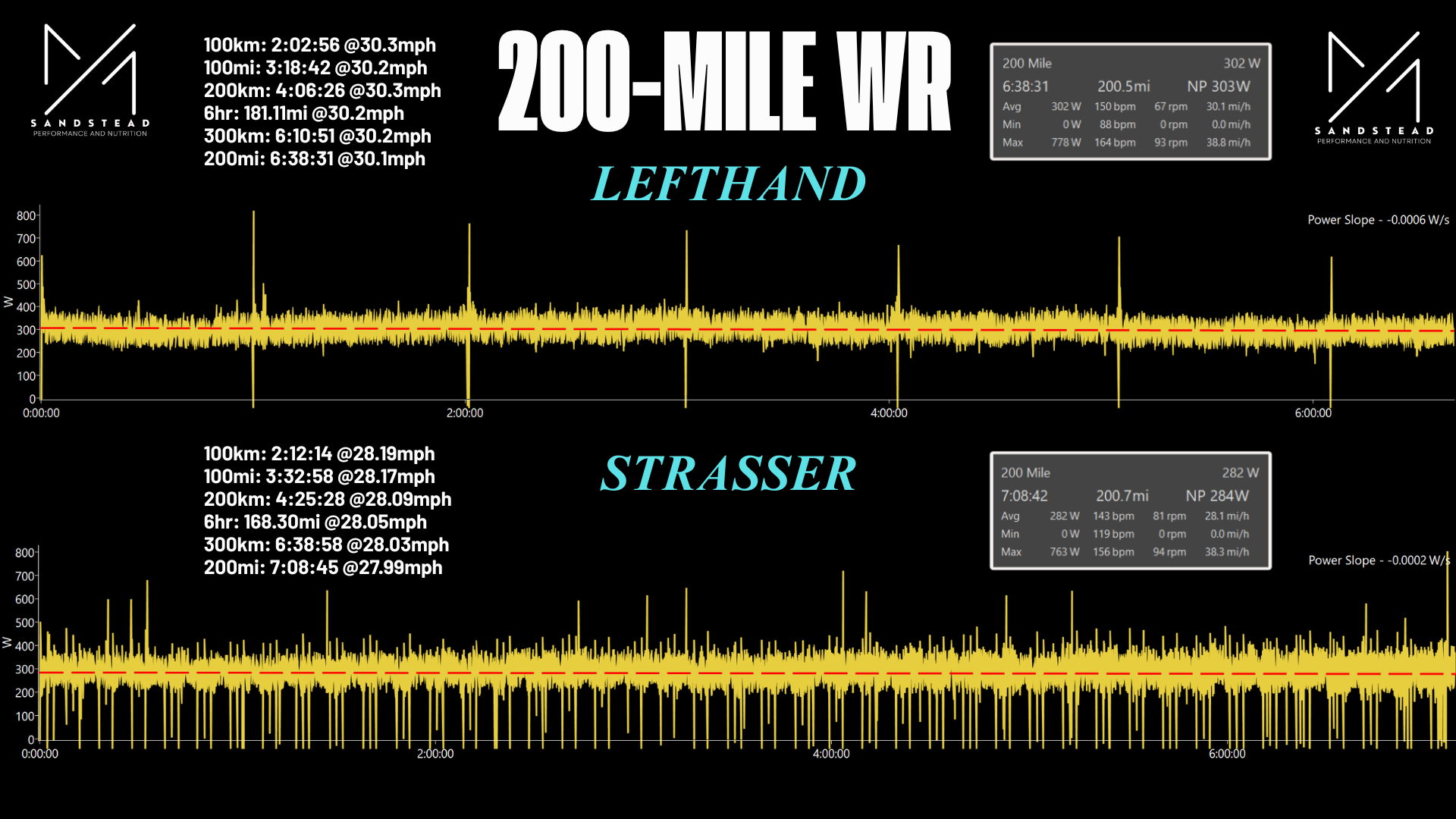
Training for the Race Across America (RAAM) is an epic journey. Discover how 2nd-overall finisher (2025) prepared for one of the most grueling ultra-endurance events in the world, requiring intense qualifications and unparalleled teamwork. From 24-hour races to the Race Across the East, see how dedication and strategic planning are key to success. Read about the emotional and rewarding experience of coaching an athlete toward achieving monumental goals.