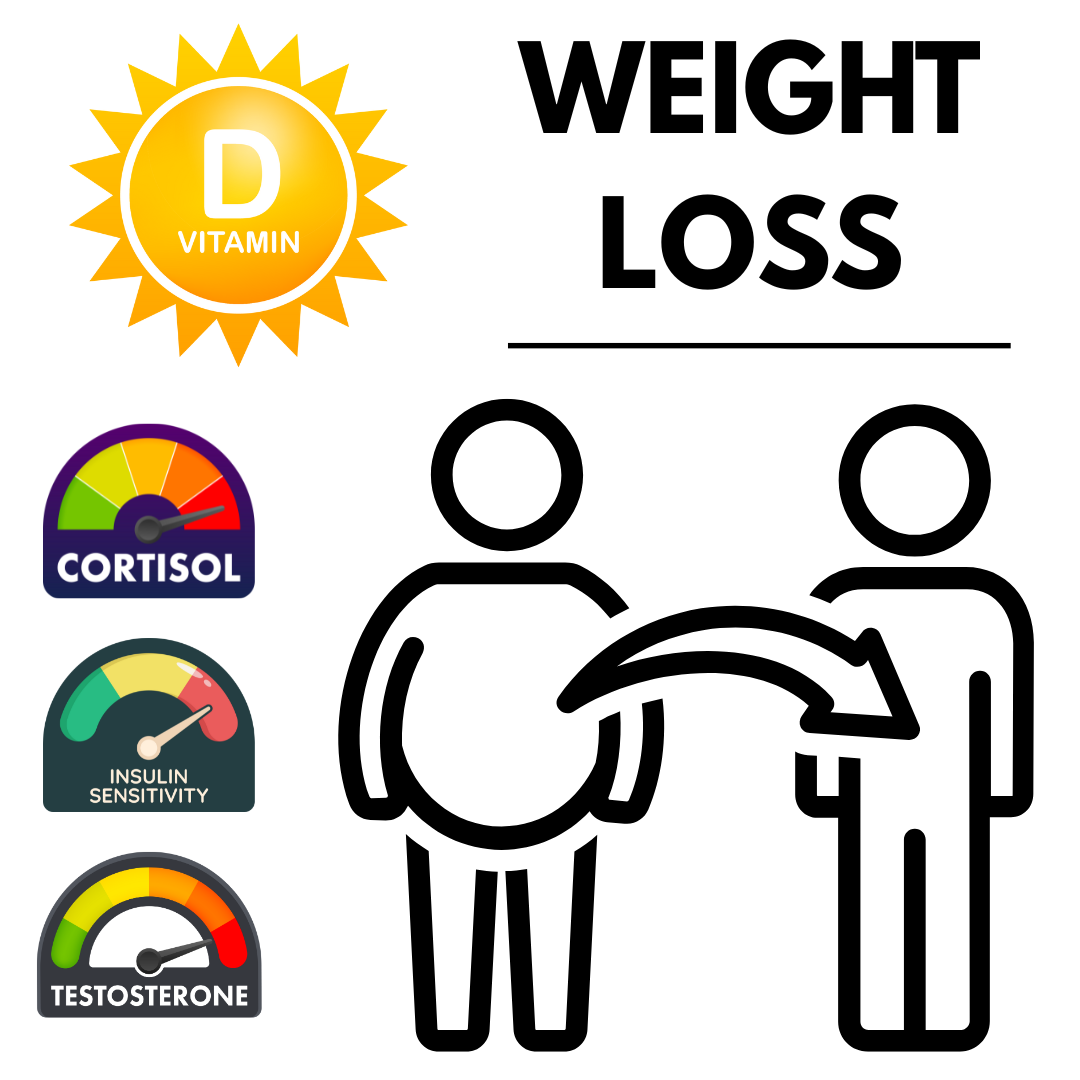
Forget counting every calorie—your hormones decide whether fat stays or goes. Which is reason #9,743 to have your bloodwork regularly checked, and why all athletes and non-athletes alike get their bloodwork (90 biomarkers) done either through my company or from a secondary provider.
FIVE PLAYERS THAT MATTER THE MOST:
Testosterone builds muscle and torches fat. Low levels (common in both men and women as we age) slow metabolism and pile fat on the belly. Strength training and quality sleep raise it naturally.
DHEA, the “youth hormone,” declines after 30. Low DHEA shifts your body into fat-storage mode. Better sleep, lower stress, and moderate exercise help restore it.
Insulin is the fat gatekeeper. Chronic high insulin from sugar and refined carbs locks fat in cells. Lowering insulin with low-glycemic foods, fasting windows, and movement opens the gate so stored fat can finally burn.
Cortisol, the stress hormone, is public enemy #1 for belly fat. Chronic stress floods your system with cortisol, spiking blood sugar and triggering fat storage—especially dangerous visceral fat. Meditation, good sleep hygiene, and avoiding overtraining keep it in check.
Vitamin D isn’t just a vitamin—it’s a hormone that regulates insulin sensitivity and fat genes. Deficiency (rampant today) drives obesity. Sunlight, fatty fish, or supplementation fixes it fast.
Bottom line: fix your hormones first—testosterone, DHEA, insulin, cortisol, and vitamin D—and weight loss stops being a battle. Balance them with real food, resistance training, sleep, sunlight, and stress management, and your body will drop fat like it’s supposed to.